
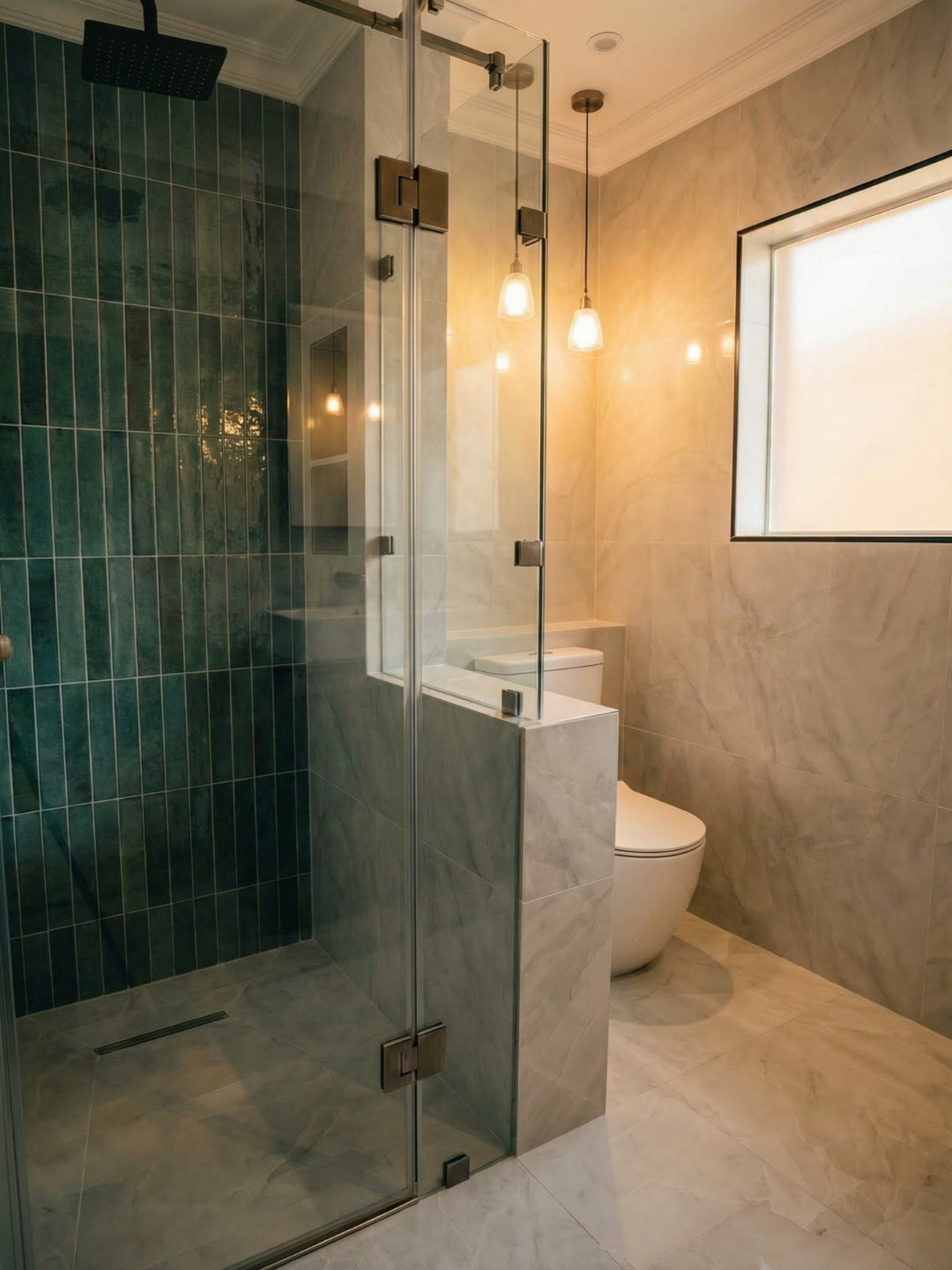
Your shower enclosure is built to last, but the flexible plastic seals that keep water inside are subject to wear, soap residue, and hard water minerals. Taking care of these seals prevents leaks, keeps the bathroom dry, and ensures doors open and close smoothly.
Regular Cleaning for Mineral Prevention
Soap scum and limescale buildup can degrade the transparency and flexibility of drip seals and magnetic strike profiles. We recommend wiping down your seals weekly with a soft cloth and a mild soap solution. Avoid using abrasive scrubbing pads or aggressive chemical cleaners, as these can pit the plastic and lead to premature yellowing.
Inspecting Magnetic Alignment
If you have a pivot door, magnetic seals on the closing edge must meet flush to make a waterproof barrier. Over time, heavy doors can experience minor settling. Check the hinges and tighten the grub screws if you notice the magnetic seal overlapping or leaving a gap. Keeping the glass aligned extends seal life.
When to Replace Your Seals
Flexible PVC seals generally last between 1 to 3 years depending on water hardness and usage frequency. If a seal is discolored, stiff, cracked, or tearing at the bottom hinge points, it's time to replace it. Keeping spares on hand ensures you can easily clip on a new drip profile to maintain the clean look of your shower enclosure.